Once the tea is properly mixed with the water, it is ready to be drunk. hot water is added, using a bamboo scoop(HISYAKU). then it is whisked briskly, using a special tea whisk(TYASEN), also made from bamboo.
A teapot is not used. instead, the powdered tea is placed directly in the bowl from which it will be drunk. the leaves remain in the pot, so they are not directly consumed.
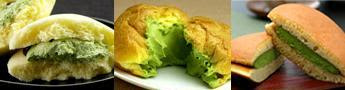
Like other kinds of Japanese tea, MATCHA is made form the dried leaves of the tea plant. However, in the case of MATCHA, the leaves are ground to a fine powder. the unique fragrance and flavor of green tea go well with dairy products, so it is perfect as an ingredient in Western desserts.
I've drunk MACHYA many times at tea ceremonies. And I have to admit it's not really my cup of tea, because it's rather bitter taste. But I think it's an important part of Japan's traditional tea culture. And many foreigners are interested in the tea ceremony and MACHYA products.Yes, I think probably most foreign visitors and residents enjoy visiting them. there are many different kinds of deserts using MACHYA. like with the ice cream. it was very delicious.
 this is a nonfamous shrine near my house. I have a walk to there non-destination , and I found this!
 why they(Daruma) are here? I have no idea....
 The BENDO has become a medium of communication, a way for the creator to express their feelings for the person who will eat it. The term BENDO is used for portable meals, usually packed in a special container. BENDO originated as simple packed meals as rice balls carried by travelers.
 here is a pack of Japanese sweet named "Daifuku", I do real love this desert!
 Once the tea is properly mixed with the water, it is ready to be drunk. hot water is added, using a bamboo scoop(HISYAKU). then it is whisked briskly, using a special tea whisk(TYASEN), also made from bamboo.
 MATCHA is a high-quality kind of tea, because it is made from the first leaves of the year, nipped while they are still budding. the start of the tea harvest is in April or May, depending on the region. Each leaf is carefully plucked by hand , one at a time. and different from other tea leaves , MACHA leaves was covered to shut down the sun light. So the MACHYA is a little bitterness, and it is exactly the point of MACHYA


